Back in 2019, Nintendo and Gamefreak made a highly anticipated announcement for the next mainline Pokémon games, Sword and Shield. With one controversial decision made during development, this became one of the most divisive reveals ever made by the company. For the first time, a mainline entry in the Pokémon series would not launch with support for all of the previous Pokémon. Sword and Shield would release with a significantly reduced roster.
This announcement ignited a backlash still burning to this day. People called for boycotts. Internet petitions were signed. We desperately wanted Gamefreak to reconsider this choice, but the fandom’s arguments fell on deaf ears. Sword and Shield were the first Pokémon games I did not buy.
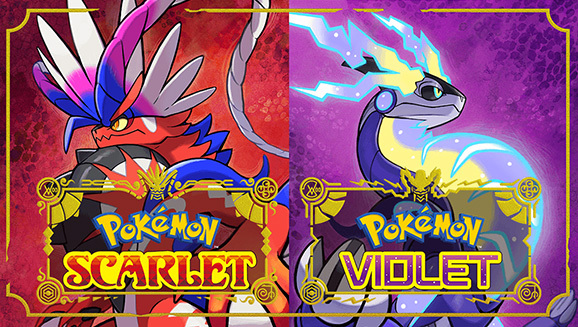
Now, new releases are yet again on the horizon: Scarlett and Violet, and again, they will launch bereft of hundreds of Pokémon. This post is going to dive in on this controversy – to examine why it mattered then and why it matters now. To clarify why Gamefreak’s excuses don’t satisfy many former fans.
Every Pokémon is Someone’s Favorite Pokémon
I remember reading through threads upon threads on Reddit when the announcement came through. So many people were upset with Gamefreak’s decision and they were listing their favorites and despondent at the possibility that they might be absent from a future title. It was astounding how varied each comment read. Pokémon I had no care for whatsoever were hailed as a poster’s favorite, or their sibling’s, or their child’s. Pokémon widely considered ugly or poorly designed (people harped on the ice-cream-cone Pokémon for years) were beloved by someone. Some artist painstakingly designed these creatures. And it never sat right with me that they would just toss them aside like that.
One of Gamefreak’s chief reasons for their choice came down to the ever growing roster of Pokémon in their games. Right now, prior to the launch of their new games, there are 905 Pokémon in the Pokédex. Yeah. It’s a lot. But it has always been a strength of their design that you can nearly always tell what type of Pokémon you’re up against immediately. Each environment carries an implicit rule for the encounters you can expect. You never have to walk into a gym or Elite Four match blind. The design of their trainer sprites clued players in on the type of Pokémon those trainers would field. Ultimately, I don’t find the claim of a bloated roster compelling in the least – I believe it to be undermined by the excellent clarity existent already in each game.
At the time of the announcement, a counter-argument sprung up to call for the fanbase’s understanding of Gamefreak’s decision. Commentors asked, “How many people will this really affect?” How many players of the Pokémon games will really be disenfranchised by these limitations? What’s the percentage of Gamefreak’s player base that use every Pokémon or have collected them each? And, clearly, collecting a “Living Dex*” or constantly switching between dozens and dozens of Pokémon is something a low number of players would do in these games. I myself collected a near-complete Living Dex (missing only a percentage of the event-only Pokémon) back in Pokémon Y (and though Pokémon Sun ended up being my last venture into the franchise to present, I did not at the time invest the time to fill out that game’s Pokédex). But, I think that’s ultimately incorrect.
The truth is, this decision affected every player. Maybe their favorite Pokémon had the fortune to remain in the roster, but their second, third, seventy-eighth favorite–maybe they weren’t. Perhaps they just had an enormously abridged list of potential enemies. The games lost the true extent of their variability, and I don’t think that was the right decision to make.
Regional Forms: A Flawed Compromise
In Pokémon Sun and Moon, Gamefreak added a new variable to the mix: classic Pokémon with new appearances based on the environments in the latest games. Looking back, I think this was an attempt at future-proofing the games by reducing the volume of new Pokémon added each game. I think it’s possible Gamefreak by the time of Sun and Moon knew they would need to change their strategy when it comes to the addition of new Pokémon, and with regional forms they might’ve been trying to walk the middle road. They could add new, exciting Pokémon appearances and fill out the availability of Pokémon types, while having a version of older Pokémon that wouldn’t carry the expectation of being carried forward. Alolan Vulpix is from Alola, after all. Do we need to worry about its availability in the next region?
But therein lies the problem, right? What if Alolan Vulpix or Ninetails becomes you favorite Pokémon in the space of Sun and Moon? With a DLC package, many Alolan Pokémon became available in Sword and Shield, is that going to be standard going forward? Is it acceptable to put these Pokémon behind an additional paywall beyond the game itself?
New Pokémon are always the most exciting part of each new generation. My friends that have interest in Scarlet and Violet love Fidough and Lechonk. They had their starting Pokémon selected months ago. Just rebranding an old design doesn’t carry the same splash. Wooper’s got a new type and a palette swap! Ok? It just doesn’t land in the same way this adorably chubby pig.
Regional forms fell short of both of their goals I assume they were intended to reach. They aren’t as exciting to obtain as truly new Pokémon, and they didn’t aid in the reduction of new Pokémon in a way that kept them from needing to limit the roster. And it is a shame, because Pokémon reacting to different environments to become discernibly different is a good idea: I just think it came much too late. That role had already been taken by a wide array of new Pokémon being available in every region.
There isn’t a Hoenn region Pidgey, they have Taillow. They have Plusle and Minun, Pikachu was in the exotic safari zone.
Conclusion
This post isn’t meant at all to call for a boycott or dissuade a Pokémon fan from buying the next game in one of their favorite series. Scarlet and Violet will at a minimum be the standard Pokémon fare, and they’ve been the name in monster-pet-battling games for decades. It’s likely to be another fun romp in a beloved series I spent a lot of time on as a child and teen and young adult. But I won’t be there until all of the Pokémon are in again – and not as DLC, but from the jump.
As always, thank you for reading. Now, I need to go run uselessly after a trio of criminals while an electric rat rescues himself with a blast of lightning.
 Ben Stovall Blog
Leave a comment